

In industrial drying, plastic vacuum thermoforming (such as PVC, PET, and ABS processing), and composite material curing, uneven temperature distribution or mismatched radiation wavelengths can lead to surface blistering, incomplete curing, or excessive energy consumption. Many designers assume all infrared heaters are interchangeable. However, selecting the wrong ceramic emitter shape, watt density, or wavelength not only reduces production efficiency but also causes frequent thermal cracking or premature burnout. This guide breaks down the core principles of ceramic infrared heaters, emitter classifications, and how to optimize your thermal system.
1. Core Principles: Wavelength Matching and Material Absorption
What is Far Infrared? Electromagnetic waves falling between visible light and microwaves that directly heat the target material rather than the surrounding air.
Wavelength Matching Rule: Medium-to-long wave infrared (2–10 um) produced by ceramic heaters is the "perfect match" for plastics (PVC, PET, ABS), water-based coatings, wood, and textiles, which have high absorption rates in this spectrum. Compared to short-wave quartz tubes, ceramic emitters prevent surface scorching while heating thick materials uniformly.
2. Three Main Emitter Types & Applications
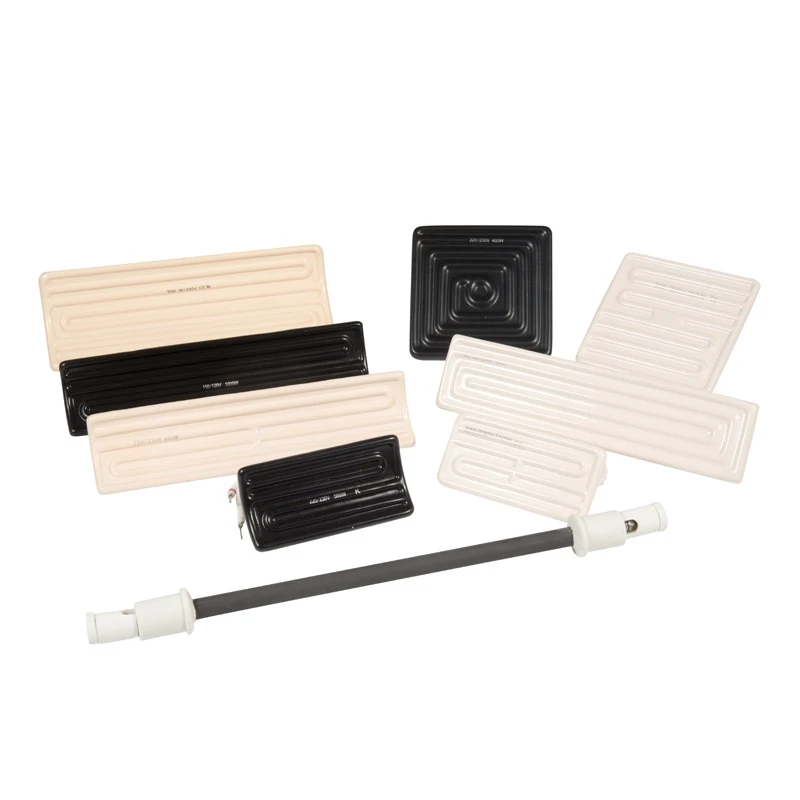
Concave / Spherical Emitters: Focuses thermal energy onto a specific target area, creating a stronger directional radiation field. Typical applications: Spot curing, small-scale thermoforming molds.
Flat Emitters: Delivers a uniform, wide-area plane of heat with smooth temperature gradients. Typical applications: Large conveyor drying lines, textile setting machines.
Hollow Emitters: Features built-in insulation or back-reflection design for faster heat-up times and minimized lateral heat dispersion. Typical applications: High-efficiency plastic sheet vacuum forming machines.
3. Key Technical Specifications to Verify
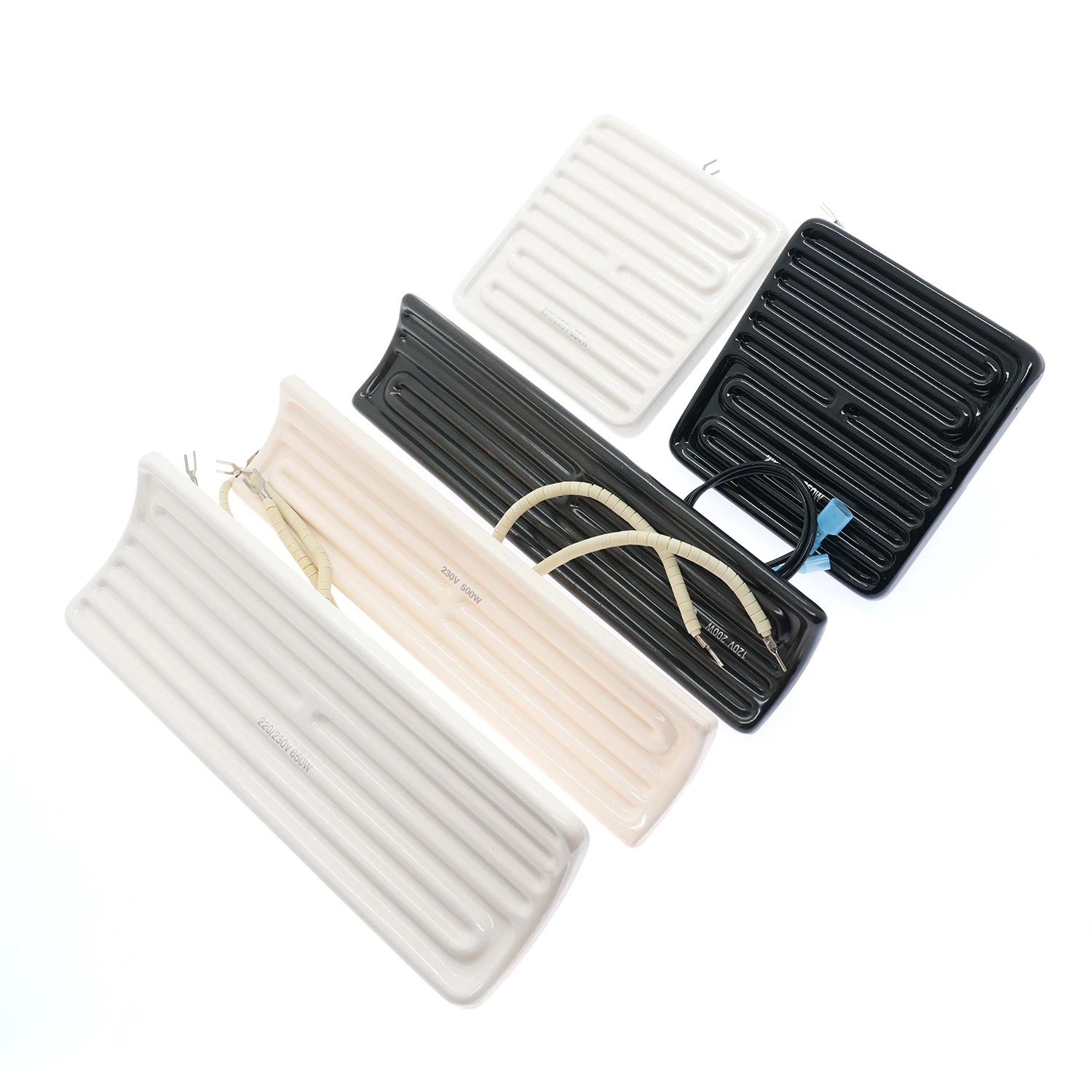
Surface Watt Density Limit: Safe surface limits for industrial ceramics typically range between 3–7 W/cm2. Exceeding this threshold causes glaze peeling or internal resistance wire oxidation.
Built-in Thermocouples: Integrating Type K or J thermocouples directly into the ceramic body allows precise single-zone temperature monitoring, preventing localized overheating.
Thermal Shock Resistance: High-grade industrial ceramics utilize high-purity alumina formulations to withstand rapid thermal cycling without structural fracturing.
4. Common Failure Modes and Troubleshooting
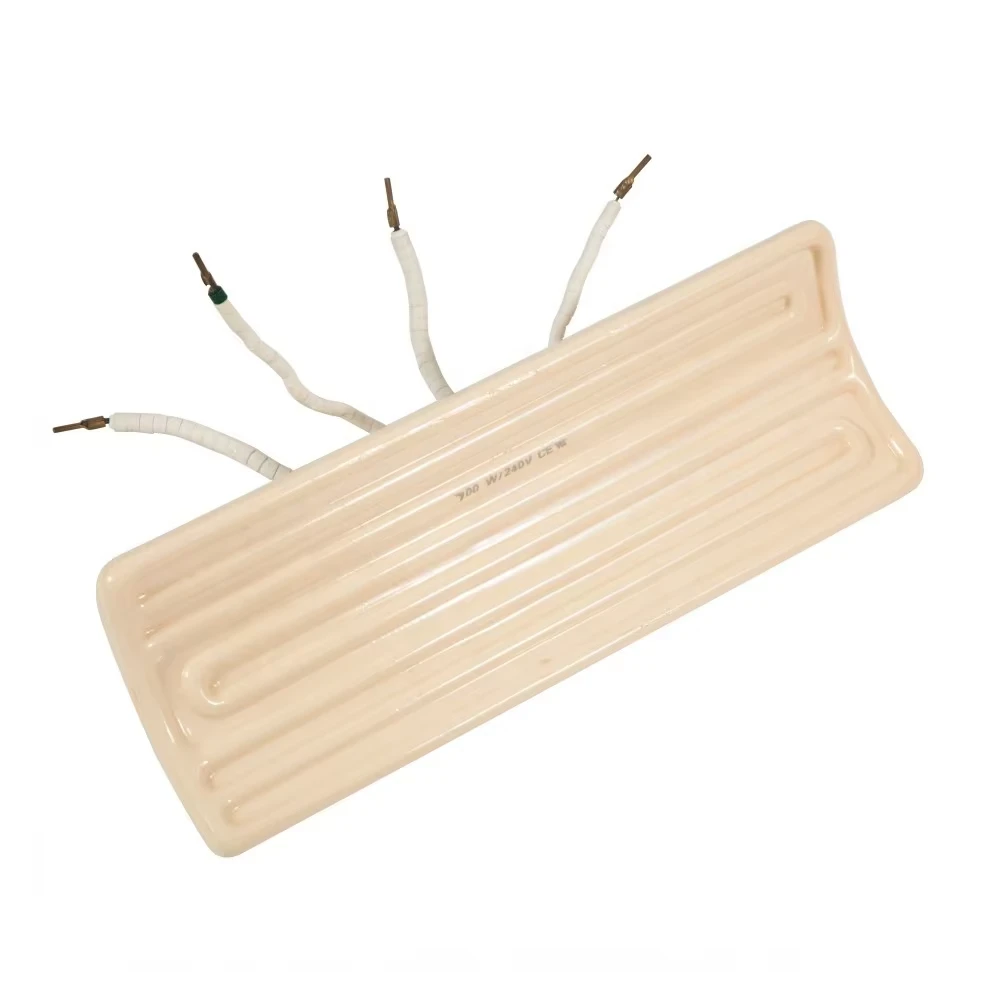
Thermal Shock Cracking: Structural fracture caused by rapid power surges or excessive ambient moisture upon startup.
Terminal Oxidation: Loose or oxidized connection pins resulting from prolonged exposure to extreme high temperatures.
Glaze Discoloration or Flaking: Physical and chemical degradation of low-grade glazes under continuous high heat.
Precision infrared radiation design not only improves product yield but also cuts energy consumption by over 15%.
Need a custom matrix of ceramic infrared heaters for your drying tunnel or thermoforming machine? Our thermal engineering team can calculate the exact wattage, layout, and zone control required for your process.