


In the fast-evolving world of data centers, liquid cooling has emerged as a game-changer for managing heat generated by high-performance servers and equipment. As these systems become more prevalent, the need for precise temperature monitoring is paramount to ensure optimal performance, energy efficiency, and hardware longevity. Enter the corrosion-resistant K-type thermocouple-a specialized temperature sensor designed to thrive in the harsh environments of liquid cooling loops. Unlike standard thermocouples, this variant is built with materials that withstand corrosive coolants, moisture, and chemical exposure, making it an indispensable tool for modern data centers. In this comprehensive guide, we'll dive deep into why these thermocouples are crucial, how they work, and best practices for integration. Whether you're a data center manager, engineer, or enthusiast, you'll gain valuable insights into leveraging this technology to boost reliability and cut costs. We'll explore everything from basic principles to advanced applications, backed by practical tips and real-world examples. By the end, you'll understand how a simple sensor can make a big difference in your cooling strategy, helping you stay ahead in the competitive tech landscape. Let's start by unraveling the fundamentals of K-type thermocouples and their role in today's data-driven world.
What is a K-Type Thermocouple and How Does It Work?
A K-type thermocouple is one of the most widely used temperature sensors across various industries, thanks to its reliability, affordability, and broad temperature range. At its core, a thermocouple operates on the Seebeck effect, a principle where two dissimilar metals joined at one end generate a small voltage when exposed to a temperature gradient. This voltage is proportional to the temperature difference, allowing for accurate measurements. Specifically, the K-type thermocouple is made from chromel and alumel wires-chromel being an alloy of nickel and chromium, and alumel consisting of nickel, aluminum, silicon, and manganese. This combination enables it to measure temperatures from -200°C to 1260°C, making it versatile for applications like data center liquid cooling, where temperatures can fluctuate significantly.
In a data center context, these thermocouples are often integrated into cooling loops to monitor fluid temperatures, ensuring that servers don't overheat. The process begins when the thermocouple's sensing junction is placed in contact with the coolant or a critical component. As heat changes, the voltage output varies, which is then converted into a temperature reading by a connected device, such as a data logger or controller. One key advantage is its fast response time, which allows for real-time adjustments to cooling systems. However, in liquid cooling environments, standard K-type thermocouples can degrade due to corrosion from coolants like water-glycol mixtures or specialized fluids. That's where corrosion-resistant versions come in, featuring protective sheaths or coatings that extend their lifespan. For instance, at HeaterFactory, you might find models with Inconel sheaths that resist pitting and cracking. Understanding this basic functionality is the first step toward optimizing your data center's thermal management, as it highlights the importance of selecting the right sensor for harsh conditions.
Key points to remember about K-type thermocouples:
* They rely on the Seebeck effect for temperature measurement.
* Made from chromel and alumel, offering a wide temperature range.
* Ideal for real-time monitoring due to quick response times.
* Corrosion-resistant variants are essential for liquid cooling to prevent failure.
* Always pair with compatible readout devices for accurate data.
The Science Behind Thermocouples
Thermocouples are fascinating devices that harness fundamental physics to measure temperature without complex electronics. The Seebeck effect, discovered by Thomas Johann Seebeck in 1821, is the cornerstone of their operation. It occurs when two different conductive materials are connected at two junctions: one at the measurement point (hot junction) and the other at a reference point (cold junction). A voltage is generated due to the temperature difference between these junctions, and this electromotive force (EMF) can be calibrated to display temperature. For K-type thermocouples, the specific alloy pairing-chromel and alumel-creates a predictable EMF curve, which is standardized internationally, ensuring consistency across devices. This makes them highly reliable for critical applications like data center liquid cooling, where even minor temperature shifts can impact server performance and energy consumption.
In practice, the accuracy of a thermocouple depends on factors like wire purity, junction design, and environmental conditions. For example, in a liquid cooling system, the thermocouple might be immersed in a coolant loop, where it constantly faces thermal stress and potential chemical exposure. The voltage output is typically in millivolts, requiring amplification and conversion by a thermometer or controller. Modern systems often use cold junction compensation (CJC) to account for ambient temperature changes at the reference point, enhancing precision. Additionally, thermocouples are known for their durability in high-temperature scenarios, but they can be susceptible to errors from electromagnetic interference or oxidation. That's why corrosion-resistant models incorporate materials like stainless steel or nickel alloys to mitigate these issues. By grasping this science, data center operators can better troubleshoot measurement discrepancies and choose sensors that align with their cooling fluid's properties, ultimately leading to more efficient and sustainable operations.
Advantages of K-Type Over Other Thermocouples
When it comes to temperature sensing, not all thermocouples are created equal. The K-type stands out for several reasons, especially in data center liquid cooling applications. First, its wide temperature range (-200°C to 1260°C) covers the typical operating conditions of cooling systems, which usually hover between 10°C and 60°C for liquids like water or dielectric fluids. This versatility means it can handle both low-temperature chiller outputs and potential hotspots without saturation. Compare this to other types, such as J-type (iron-constantan), which has a narrower range and is more prone to rust in moist environments, or T-type (copper-constantan), which is better for cryogenics but less suited for higher temperatures. The K-type's robustness makes it a go-to choice for industrial settings, including data centers where reliability is non-negotiable.
Another significant advantage is its cost-effectiveness. K-type thermocouples are generally more affordable than precision devices like RTDs (Resistance Temperature Detectors) or thermistors, while still offering sufficient accuracy for most cooling monitoring needs. They also have a faster response time due to their simple construction, allowing quick detection of temperature spikes that could lead to equipment failure. In liquid cooling loops, this speed enables proactive adjustments, such as increasing pump speed or activating backup coolers. Moreover, K-types are widely available and compatible with a range of readout instruments, reducing integration hassles. However, they do have limitations, like lower accuracy at extreme ends of their range compared to RTDs, but for data centers, the trade-off is often worth it. By opting for corrosion-resistant K-types, you gain an extra layer of durability against coolants that might degrade other sensors. This combination of affordability, speed, and adaptability makes them a smart investment for maintaining optimal thermal conditions in your facility.
Why Corrosion Resistance Matters in Thermocouples
Corrosion resistance is not just a bonus feature in thermocouples; it's a critical factor that can determine the success or failure of a data center's liquid cooling system. In these environments, thermocouples are constantly exposed to various coolants, which may contain water, glycol, oils, or synthetic fluids that can be chemically aggressive. Over time, this exposure leads to oxidation, pitting, or general degradation of the sensor materials, resulting in inaccurate readings, drift, or complete sensor failure. When a thermocouple corrodes, it might give false temperature data, causing the cooling system to overcompensate or underperform. This can lead to overheating of servers, increased energy costs, and even hardware damage-outcomes that are costly and disruptive for any data center operation.
The importance of corrosion resistance becomes clear when considering the long-term implications. A standard thermocouple might last a few months in a harsh coolant loop, whereas a corrosion-resistant version can endure for years, reducing maintenance downtime and replacement expenses. This is particularly vital in large-scale data centers where thousands of sensors are deployed, and accessibility for repairs is limited. Corrosion-resistant thermocouples typically use materials like Inconel, Hastelloy, or stainless steel for sheaths and junctions, which form a protective barrier against chemical attacks. For example, Inconel alloys excel in high-chloride environments common in some coolants, preventing stress corrosion cracking. By investing in these specialized sensors, you're not only safeguarding your temperature monitoring accuracy but also enhancing overall system reliability. In essence, corrosion resistance transforms a thermocouple from a disposable component into a durable asset, aligning with the sustainability goals of modern data centers by minimizing waste and maximizing uptime.

Common Corrosive Elements in Liquid Cooling Systems
Liquid cooling systems in data centers are designed to efficiently transfer heat, but the fluids used can introduce corrosive elements that threaten sensor integrity. Understanding these culprits is key to selecting the right thermocouple. One major offender is dissolved oxygen in water-based coolants, which promotes oxidation and rust on metal surfaces. This is especially problematic in open-loop systems where air exposure is common. Additionally, glycol-based mixtures-often used for their antifreeze properties-can break down over time, forming acidic byproducts that eat away at sensor materials. Chlorides and other ions from impurities or additives can lead to pitting corrosion, where small holes develop, compromising the thermocouple's structure and function.
Another common issue arises from microbial growth in coolants, such as bacteria or algae, which produce biofilms and corrosive metabolites. In closed-loop systems, stagnant areas might accumulate debris, accelerating wear. Synthetic coolants, while advanced, can contain chemicals that react with certain metals, leading to galvanic corrosion if dissimilar materials are present. For instance, if a thermocouple's sheath is made of a metal that interacts poorly with the coolant or other components, it can create an electrochemical cell that speeds up degradation. Data center operators should regularly test their coolant chemistry and consider factors like pH levels, conductivity, and inhibitor concentrations. By identifying these corrosive elements early, you can proactively choose corrosion-resistant K-type thermocouples with compatible materials, such as those with ceramic coatings or alloy sheaths available at HeaterFactory. This awareness helps prevent unexpected failures and ensures consistent temperature monitoring, keeping your data center running smoothly and efficiently.
Impact of Corrosion on Temperature Accuracy
Corrosion doesn't just physically damage thermocouples; it directly undermines their primary function: accurate temperature measurement. When corrosion sets in, it alters the electrical properties of the thermocouple wires and junctions. For example, oxidation can increase electrical resistance or create unintended voltage offsets, leading to readings that are consistently too high or too low. In a data center liquid cooling system, this inaccuracy can have cascading effects. If a corroded thermocouple reports a temperature lower than actual, the cooling system might reduce its output, allowing servers to overheat and potentially causing thermal throttling or shutdowns. Conversely, if it reads too high, the system could over-cool, wasting energy and increasing operational costs.
The gradual nature of corrosion means these errors often go unnoticed until a major issue arises, like a server failure or escalated electricity bills. Studies show that even a small drift of 1-2°C can impact processor efficiency and lifespan. In precision environments like data centers, where temperatures are tightly controlled to within a few degrees, such inaccuracies are unacceptable. Corrosion can also cause intermittent faults, where the sensor works intermittently, making troubleshooting difficult. This is why regular calibration and inspection are crucial, but starting with a corrosion-resistant K-type thermocouple mitigates these risks from the outset. By maintaining measurement integrity, these sensors help optimize cooling performance, ensure compliance with thermal management standards, and protect valuable IT infrastructure. In short, the impact of corrosion on accuracy is not just a technical detail-it's a business-critical factor that influences reliability, cost, and overall data center health.
Data Center Liquid Cooling: A Primer
Data center liquid cooling is revolutionizing how we manage heat in high-density computing environments. Unlike traditional air cooling, which uses fans and vents to dissipate heat, liquid cooling employs fluids-such as water, glycol mixtures, or dielectric liquids-to directly absorb and transfer heat away from components. This method is far more efficient because liquids have higher heat capacity and thermal conductivity than air, allowing for better heat removal in compact spaces. As data centers evolve to support AI, cloud computing, and other intensive workloads, liquid cooling enables higher power densities and reduces the footprint required for cooling infrastructure. It's particularly beneficial for servers with GPUs and CPUs that generate substantial heat, as it can maintain lower operating temperatures and improve overall performance.
Liquid cooling systems can be categorized into direct-to-chip and immersion cooling. In direct-to-chip systems, cold plates are attached to processors, and coolant circulates through microchannels to draw heat away. Immersion cooling, on the other hand, involves submerging entire servers in a non-conductive fluid that absorbs heat directly. Both methods rely on a network of pumps, heat exchangers, and piping to cycle the coolant and reject heat to the outside environment. Temperature monitoring is integral to these systems, as it ensures the coolant remains within safe limits and operates efficiently. Corrosion-resistant K-type thermocouples play a vital role here, providing reliable data at critical points like inlet/outlet ports and near heat sources. By understanding this primer, data center professionals can appreciate why liquid cooling is gaining traction and how advanced sensors contribute to its success, leading to energy savings, reduced carbon footprint, and enhanced computational power.
How Liquid Cooling Systems Operate
Liquid cooling systems operate on a simple yet efficient principle: using a fluid to absorb heat from IT equipment and transport it to a dissipation point. The process typically starts with a pump that circulates the coolant through a closed loop. As the fluid passes over hot components-like CPUs or GPUs-it absorbs thermal energy, causing its temperature to rise. This warmed coolant then flows to a heat exchanger, where it transfers the heat to another medium, such as air or water, before being recirculated. In data centers, this often involves a chiller or cooling tower that rejects the heat to the atmosphere, maintaining a stable temperature for the servers. The entire system is controlled by a management unit that adjusts flow rates and cooling capacity based on real-time temperature data from sensors like K-type thermocouples.
One of the key operational aspects is the choice of coolant. Water is highly effective but can pose corrosion and conductivity risks, so additives or treated water are common. Dielectric fluids are used in immersion cooling to avoid electrical shorts. Throughout the loop, components like reservoirs, filters, and valves ensure smooth operation and prevent blockages. Temperature monitoring points are strategically placed to detect hotspots, leaks, or pump failures. For instance, thermocouples at the coolant inlet and outlet help calculate heat removal efficiency and identify issues early. By leveraging corrosion-resistant K-type thermocouples, operators can trust the data even in aggressive fluid environments, enabling precise control and automation. This operational insight allows data centers to achieve higher power usage effectiveness (PUE) ratings, meaning less energy is wasted on cooling, and more is dedicated to computing tasks. Ultimately, understanding how these systems work empowers teams to design, maintain, and optimize liquid cooling for maximum reliability and sustainability.
Key Components and Their Functions
A data center liquid cooling system comprises several essential components, each playing a specific role in heat management. First, the cold plates or immersion tanks are where heat transfer occurs directly from hardware to coolant. Cold plates are typically made of copper or aluminum and contain microchannels for fluid flow, ensuring efficient contact with heat-generating parts. In immersion systems, servers are dunked in a tank filled with dielectric fluid, which naturally convects heat away. Next, the pump is the heart of the system, circulating coolant through the loop. Centrifugal or positive displacement pumps are common, chosen for their reliability and ability to handle varying pressures. They ensure consistent flow, preventing stagnant zones where heat could build up.
The heat exchanger is another critical component, acting as the interface where coolant releases its heat to the environment. Plate-and-frame or shell-and-tube designs are popular, depending on the scale and coolant type. For example, in a large data center, a cooling tower might be used to reject heat to the air, while smaller setups could employ dry coolers. Reservoirs store extra coolant, accommodating thermal expansion and facilitating maintenance, while filters remove particulates that could clog the system or damage sensors. Valves and controllers regulate flow and pressure, allowing for adjustments based on load demands. Throughout this network, temperature sensors like corrosion-resistant K-type thermocouples monitor conditions at key points, providing data to the control system. Without these components working in harmony, the cooling efficiency would plummet, risking hardware failure. By familiarizing yourself with each part's function, you can better troubleshoot issues, plan upgrades, and integrate robust monitoring solutions that keep your data center running cool and cost-effectively.
Integrating K-Type Thermocouples into Liquid Cooling
Integrating K-type thermocouples into a data center liquid cooling system requires careful planning to ensure accurate temperature monitoring and long-term reliability. The first step is identifying optimal placement points where temperature data will be most informative. Common locations include the coolant inlet and outlet of servers or heat exchangers, as these spots indicate overall system efficiency and heat load. Additionally, placing thermocouples near high-power components like GPUs or along piping bends can detect hotspots or flow restrictions. It's crucial to ensure good thermal contact between the sensor and the measured surface or fluid; for immersion in coolant, a fully sheathed thermocouple is ideal to prevent fluid ingress and corrosion. Using compression fittings or weldable probes can secure the sensor in place, minimizing vibration-induced errors.
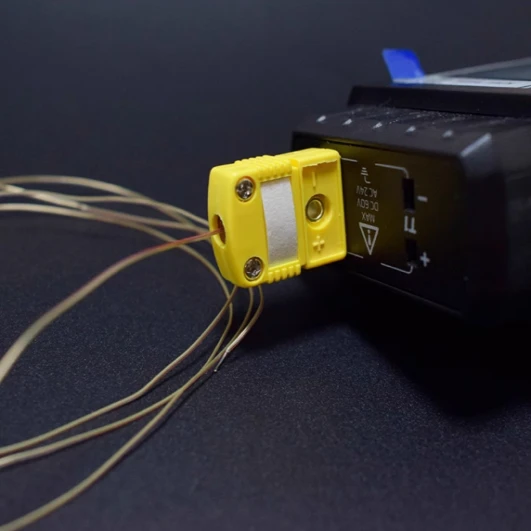
Wiring and connection are equally important. K-type thermocouples generate low-voltage signals, so shielded cables should be used to reduce electromagnetic interference from nearby electrical equipment. The wires must be connected to a readout device, such as a PLC (Programmable Logic Controller) or data acquisition system, which interprets the voltage into temperature readings. Calibration at installation is recommended to baseline accuracy, and regular checks help maintain it. For corrosion-resistant models, verify that the sheath material is compatible with your coolant-for instance, Inconel for chloride-rich environments. Integration might also involve software setup for alarm thresholds, so if temperatures exceed safe limits, the system can trigger alerts or automated responses, like increasing coolant flow. By following these guidelines, you can seamlessly incorporate K-type thermocouples into your cooling infrastructure, enhancing monitoring capabilities and preventing costly downtimes.
Optimal Placement for Accurate Monitoring
Placement is everything when it comes to getting reliable temperature data from K-type thermocouples in liquid cooling systems. The goal is to position sensors where they can capture representative temperatures without being affected by external factors. In direct-to-chip cooling, the best spots are often on the cold plates themselves or in the coolant channels directly adjacent to processors. This provides real-time insight into component-level heat, allowing for precise control. For immersion cooling, thermocouples should be distributed throughout the tank to monitor gradient variations, as heat can stratify in the fluid. Avoid placing sensors too close to pumps or heaters, as mechanical vibrations or localized heat can skew readings. Instead, focus on areas with consistent flow, such as straight sections of piping, to ensure the sensor measures the bulk coolant temperature accurately.
Another key consideration is accessibility for maintenance and calibration. Sensors placed in hard-to-reach areas might be neglected, leading to undetected drift or failure. In large data centers, using multiple thermocouples at strategic points-like at the entry and exit of each server rack-can provide a comprehensive thermal map. This helps identify imbalances in cooling distribution that could cause hotspots. For example, if one rack consistently shows higher outlet temperatures, it might indicate a clog or need for rebalancing. Additionally, ensure that the thermocouple junction is fully immersed or in contact with the surface to avoid air gaps that insulate and delay response. By thoughtfully planning placement, you maximize the value of your corrosion-resistant K-type thermocouples, turning raw data into actionable insights that boost efficiency and prevent overheating incidents.
Wiring and Connection Best Practices
Proper wiring and connections are vital for the performance of K-type thermocouples in data center liquid cooling systems. Since these sensors output low-voltage signals, even small resistances or interferences can lead to significant measurement errors. Start by using thermocouple extension wires that match the alloy types-chromel and alumel for K-type-to maintain signal integrity over long distances. These wires should be shielded to protect against electromagnetic interference from power cables, motors, or other equipment commonly found in data centers. Route the wiring away from high-voltage sources and use conduit or cable trays to organize and protect them from physical damage. When making connections, ensure they are tight and clean; loose terminals can introduce resistance, while corrosion at connection points can cause voltage drops.
For the cold junction compensation (CJC), which accounts for ambient temperature at the readout device, place the reference point in a stable environment to avoid fluctuations. Many modern data loggers and controllers have built-in CJC, but it's still important to verify their calibration periodically. When connecting to devices, use dedicated thermocouple input modules that are designed to handle the low signals and provide isolation to prevent ground loops. In practice, label all wires and connections clearly to simplify troubleshooting and maintenance. For corrosion-resistant models, check that the connection heads or junction boxes are also rated for the environment-for instance, IP67-rated for moisture protection. By adhering to these best practices, you ensure that your K-type thermocouples deliver accurate, reliable data, enabling your liquid cooling system to operate at peak efficiency and respond swiftly to changing thermal demands.
Benefits of Using Corrosion-Resistant K-Type Thermocouples
Incorporating corrosion-resistant K-type thermocouples into your data center liquid cooling setup offers a multitude of benefits that translate directly to operational excellence and cost savings. Firstly, these sensors significantly enhance durability and longevity. By withstanding harsh coolants and moist conditions, they reduce the frequency of replacements and maintenance interventions. This is especially valuable in large-scale data centers where accessing sensors can be time-consuming and disruptive. For example, a standard thermocouple might fail within a year in a glycol-based loop, while a corrosion-resistant version with an Inconel sheath could last five years or more, as seen in products from HeaterFactory. This extended lifespan not only cuts down on material costs but also minimizes downtime, ensuring continuous monitoring and protection of critical IT infrastructure.
Another major advantage is improved accuracy and reliability. Corrosion can cause measurement drift, but resistant materials maintain stable electrical properties, providing consistent temperature data over time. This accuracy allows for finer control of cooling systems, optimizing energy use and preventing overcooling or undercooling. As a result, data centers can achieve better Power Usage Effectiveness (PUE) scores, which measure energy efficiency. Additionally, these thermocouples contribute to safety by reliably detecting overheating events before they escalate into hardware failures or fires. The cost-effectiveness is clear: though they may have a higher upfront cost than standard models, the long-term savings in maintenance, energy, and avoided outages make them a smart investment. By choosing corrosion-resistant K-type thermocouples, you're not just buying a sensor-you're investing in peace of mind, sustainability, and the seamless operation of your data center.
Long-Term Reliability and Cost Savings
The long-term reliability of corrosion-resistant K-type thermocouples is a game-changer for data center budgets and performance. These sensors are engineered to endure the rigors of liquid cooling environments, meaning they require less frequent calibration and replacement. In a typical data center, the cost of sensor failure isn't just the price of a new unit-it includes labor for installation, potential system downtime, and the risk of collateral damage to servers. By opting for corrosion-resistant variants, you extend the mean time between failures (MTBF), which can stretch from months to years. This reliability translates into substantial cost savings over the lifecycle of the cooling system. For instance, if a data center uses hundreds of thermocouples, switching to durable models could save thousands of dollars annually in reduced maintenance and spare parts inventory.
Moreover, the indirect savings are equally impressive. Accurate temperature monitoring enabled by these thermocouples helps optimize cooling efficiency, lowering electricity consumption. Data centers are energy-intensive, and cooling can account for up to 40% of total power use. By maintaining precise control, you avoid wasting energy on unnecessary cooling, which directly cuts utility bills. Additionally, reliable sensors prevent overheating incidents that could lead to hardware warranty voids or expensive replacements. Consider this: a single server failure due to thermal issues might cost far more than upgrading all thermocouples to corrosion-resistant types. By prioritizing long-term reliability, you're not only safeguarding your equipment but also enhancing the overall return on investment for your liquid cooling infrastructure, making it a financially sound decision for any forward-thinking data center.
Improved Safety and Performance
Safety and performance go hand in hand when using corrosion-resistant K-type thermocouples in data center liquid cooling. From a safety perspective, these sensors provide dependable oversight of thermal conditions, reducing the risk of catastrophic events like server meltdowns or coolant leaks. In liquid cooling systems, overheating can cause pressure buildups or fluid degradation, potentially leading to leaks that damage electronics and pose electrical hazards. Corrosion-resistant thermocouples, with their robust construction, ensure that temperature alarms are triggered accurately, allowing for swift shutdowns or diversions to backup systems. This proactive approach minimizes the chance of fires or equipment damage, creating a safer working environment for personnel and protecting valuable data assets.
On the performance front, these thermocouples enable data centers to push their hardware to the limits without compromising stability. By delivering precise temperature data, they help maintain optimal operating conditions for servers, which can improve processing speeds and reduce latency. For example, in AI or HPC (High-Performance Computing) applications, consistent cooling allows processors to run at higher clock speeds without thermal throttling. This translates to better computational output and faster task completion. Additionally, the reliability of corrosion-resistant sensors means fewer false readings that could cause unnecessary cooling cycles, thus stabilizing system performance. In essence, investing in these thermocouples isn't just about avoiding problems-it's about unlocking the full potential of your data center infrastructure, ensuring that safety and high performance are maintained around the clock.
Selecting the Right K-Type Thermocouple
Choosing the appropriate corrosion-resistant K-type thermocouple for your data center liquid cooling system involves evaluating several factors to ensure compatibility and effectiveness. Start by assessing the temperature range and accuracy requirements. While K-types cover a broad spectrum, confirm that your specific cooling environment stays within their operational limits-typically, data center coolants operate between 0°C and 80°C, well within the K-type's capabilities. Accuracy is another key consideration; look for thermocouples with a standard tolerance of ±2.2°C or better, and check if special tolerance versions are needed for critical points. The sensor's construction material is crucial for corrosion resistance. Common options include:
* Inconel: Excellent for high-temperature and chloride-resistant applications.
* Stainless steel (e.g., 316SS): Good for general corrosion protection in water-based coolants.
* Hastelloy: Ideal for highly corrosive fluids like those with acids or salts.
Next, consider the probe type and installation method. Sheathed thermocouples are popular for liquid cooling because they offer protection and ease of mounting. Decide between grounded, ungrounded, or exposed junctions based on response time needs-grounded junctions respond faster but are more prone to electrical noise, while ungrounded provide isolation. The sheath diameter also matters; thinner sheaths have quicker response times but may be less durable. For wiring, ensure the extension cables are rated for the environment and use compatible connectors. It's also wise to review certifications like ISO or UL listings to guarantee quality and safety. By methodically evaluating these aspects, you can select a thermocouple that not only fits your technical specs but also delivers long-term value, keeping stable.