

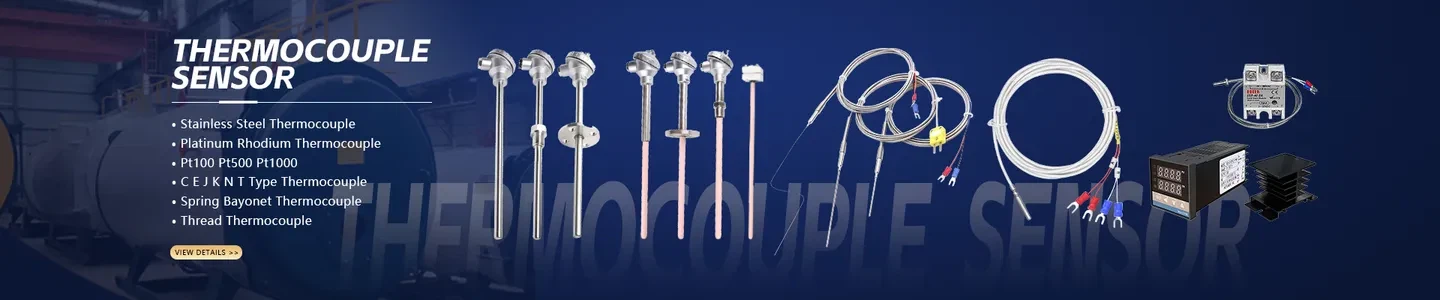
That little metal stick near your water heater's pilot light? That's the thermocouple-a small but mighty safety guard you don't want to ignore. It makes sure gas doesn't flow if the pilot flame goes out, keeping your home safe from leaks. Whether you're fixing things yourself or just want to know how your system works, getting the lowdown on this part is a smart move. Let's dive into what it does, when to swap it out, and how to pick the right one.
What Is a Water Heater Thermocouple?
Think of the thermocouple as your water heater's flame detective. It's made of two different metal wires joined at one end, sitting right in the pilot flame. When heated, it creates a tiny electric current that tells the gas valve, "We're good-keep the gas flowing." No flame? No current. The gas valve shuts, and you avoid a dangerous situation.
You'll find these in gas water heaters only-electric models don't need 'em. A well-kept thermocouple can last up to a decade, though grime or wear can shorten its life.
How It Works: The Nuts and Bolts
Here's the play-by-play:
- The pilot flame heats the thermocouple tip.
- That heat creates a small voltage-just enough to hold the gas valve open.
- If the flame dies, the thermocouple cools and the voltage drops.
- The gas valve closes in a flash.
No batteries, no external power-this thing works even during a blackout.
When Should You Replace Your Thermocouple?
Keep an eye out for these red flags:
- Pilot light won't stay on: You relight it, but it dies as soon as you let go of the button.
- Hot water comes and goes: An inconsistent flame can mean a weak thermocouple.
- You smell gas: That rotten-egg odor means something's wrong. Shut off the gas, air out the room, and call a pro ASAP.
- Visible wear: Look for rust, bent wires, or heavy soot on the tip.
Picking the Right Thermocouple
Don't just grab any thermocouple off the shelf. Follow these tips:
Match your model: Check your water heater's manual or the label near the gas valve. Bring the old thermocouple to the store if you're unsure.
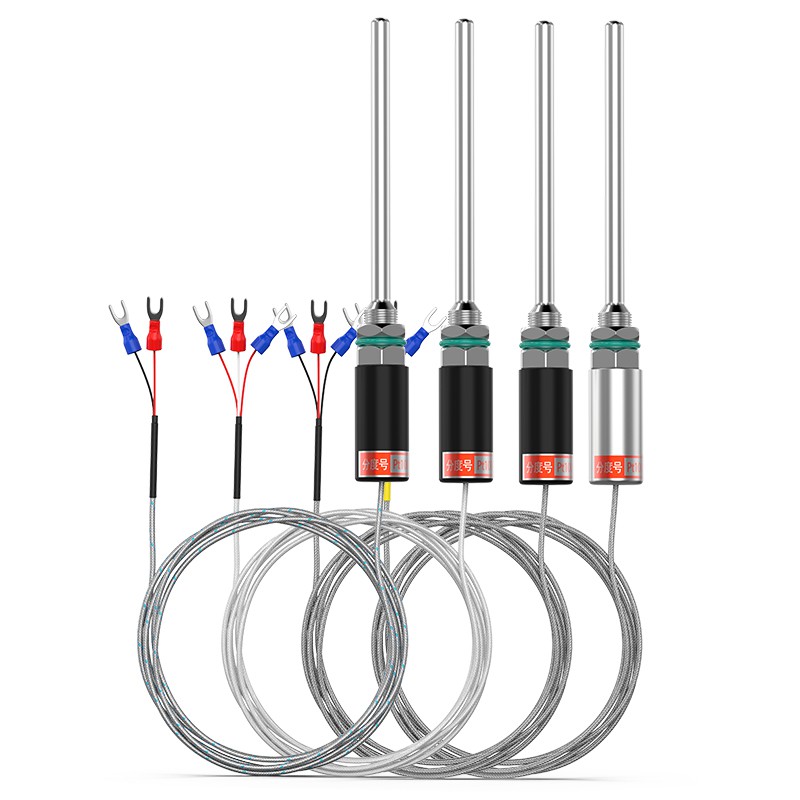
Get the length right: Standard sizes run from 18 to 36 inches. Measure from the connector to the hot junction and round up.
Stick with J-type: Most home systems use J-type. K-types are for heavier-duty setups and won't deliver the right voltage.
Go for quality: Choose stainless steel, factory-calibrated units with a warranty. Skip the cheap ones-they often fail early.
Swapping Out Your Thermocouple
Ready to DIY? Here's the gist:
- Turn off the gas and let everything cool.
- Remove the cover and disconnect the old thermocouple from the gas valve and mounting clip.
- Clean the pilot assembly with a wire brush while you're in there.
- Install the new one, making sure the tip sits in the flame path.
- Reconnect everything, relight the pilot, and check for leaks with soapy water.
If the flame holds, you're all set.
Myth-Busting Thermocouple Talk
"No hot water means a bad thermocouple." Not always-could be the gas valve or thermostat.
"You can fix a thermocouple by bending it." Nope. If it's worn out, replacement is the only fix.
"All thermocouples are the same." Wrong-size and type matter. Don't risk a mismatch.
"You need a pro to replace it." Many homeowners handle it easily. But if you smell gas or feel unsure, call a technician.
When to Call in the Pros
DIY not your thing? No problem. Call a licensed technician if:
- You smell gas or spot a leak.
- The pilot still won't stay lit after replacement.
- You're uncomfortable working with gas lines.
Knowing how your thermocouple works helps you stay safe and avoid cold showers. Keep it clean, check it yearly, and replace it when it shows its age. Your water heater will thank you.